
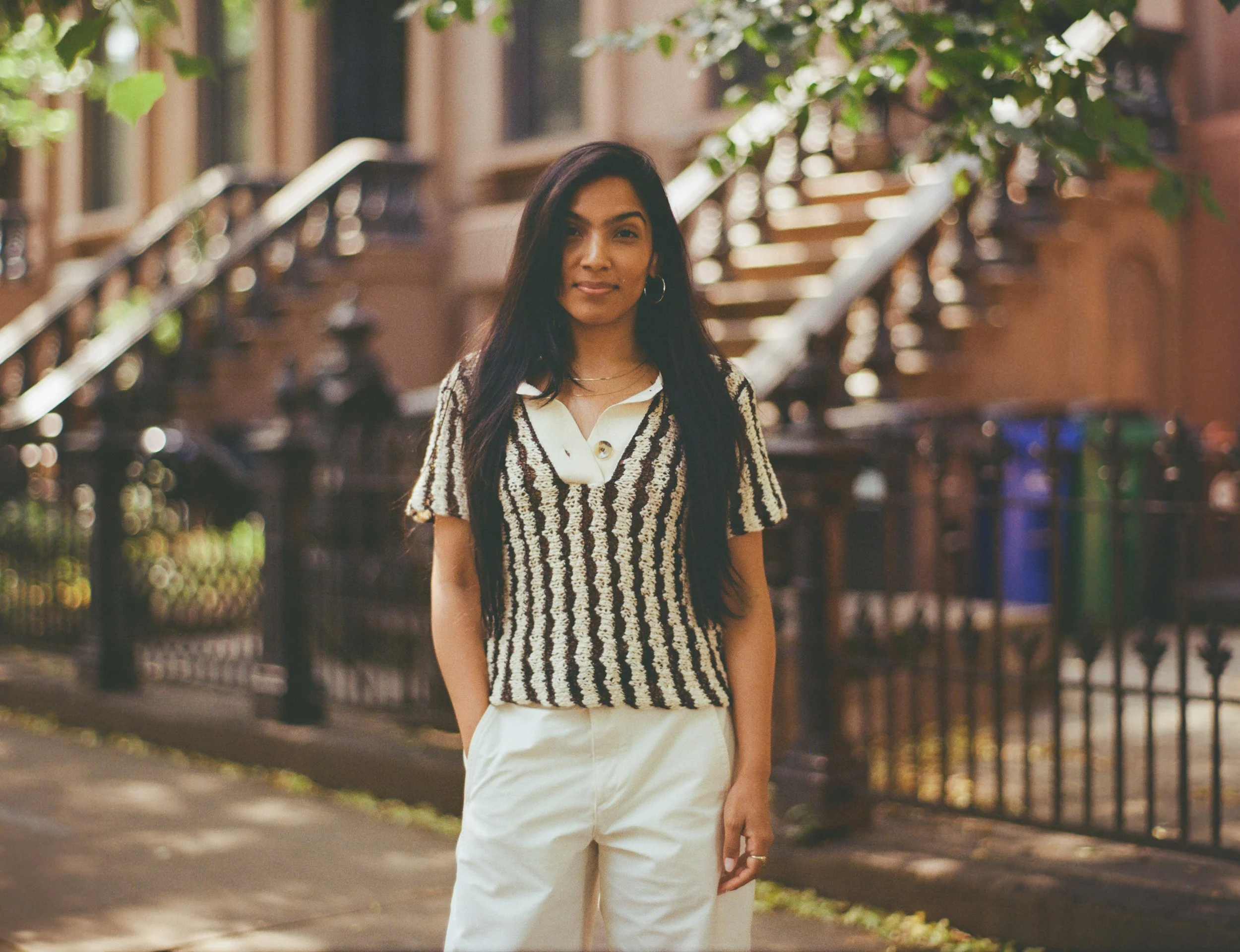
As you might expect, Zara Rahim had a busy last few months — she was working as Senior Advisor on Zohran Mamdani’s mayoral campaign. When she has a moment to breathe, you might find her at Welcome Home bakery, grabbing a chocolate croissant, or heading to Jackson Heights for Bangladeshi food. A few weeks after the election, we talked to Zara about growing up in Florida after 9/11, having her mom oil her hair, and career ego death.

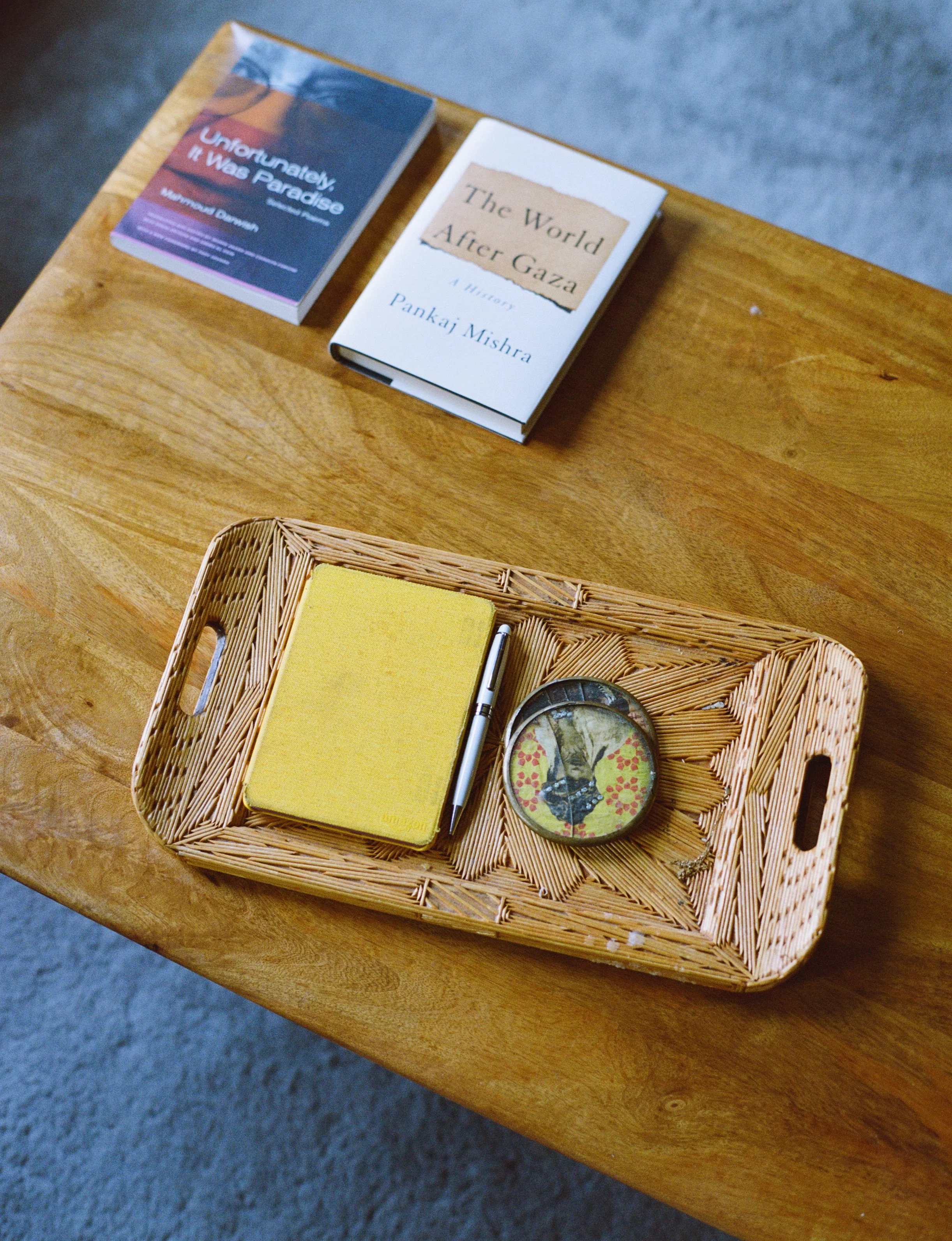
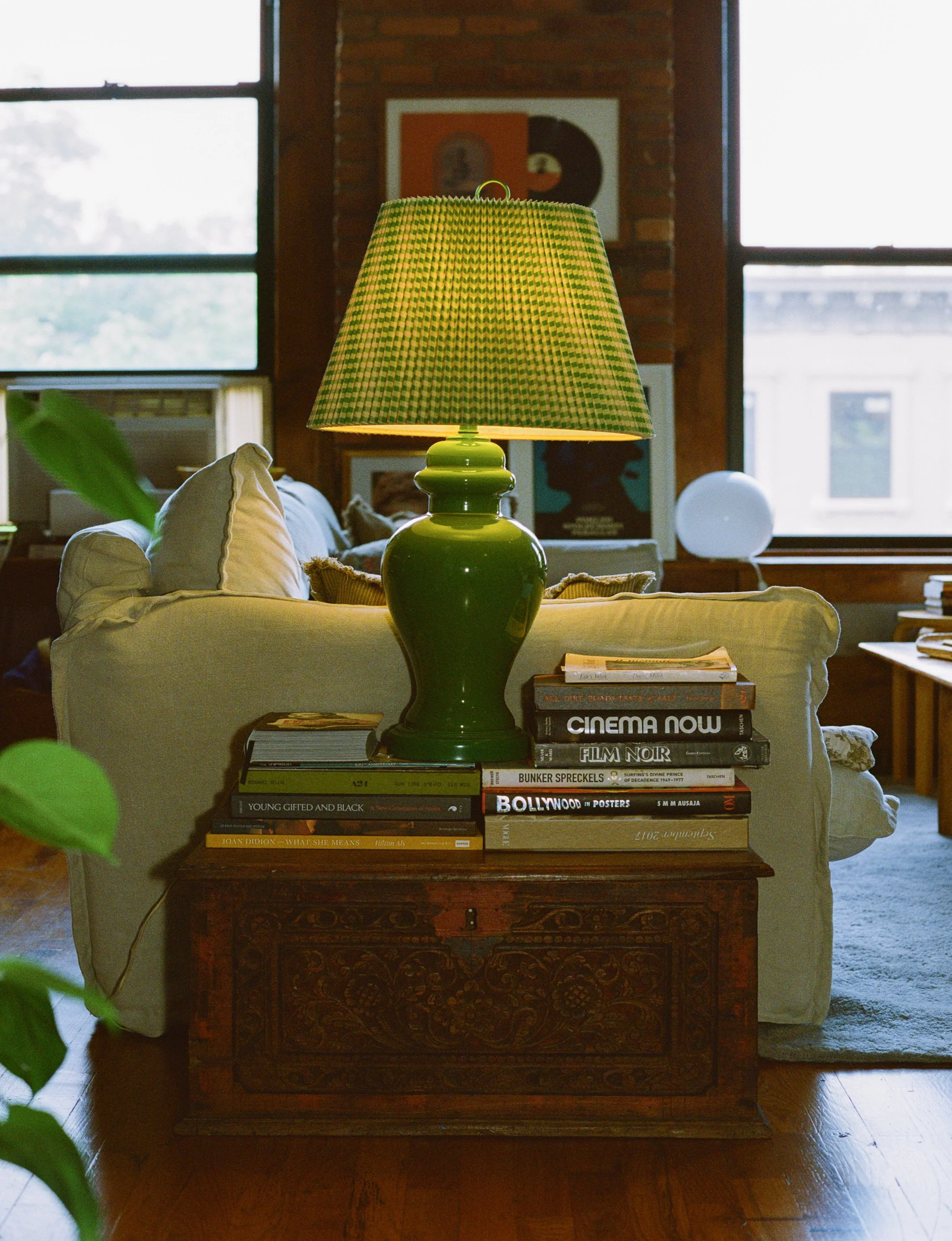
on her morning routine
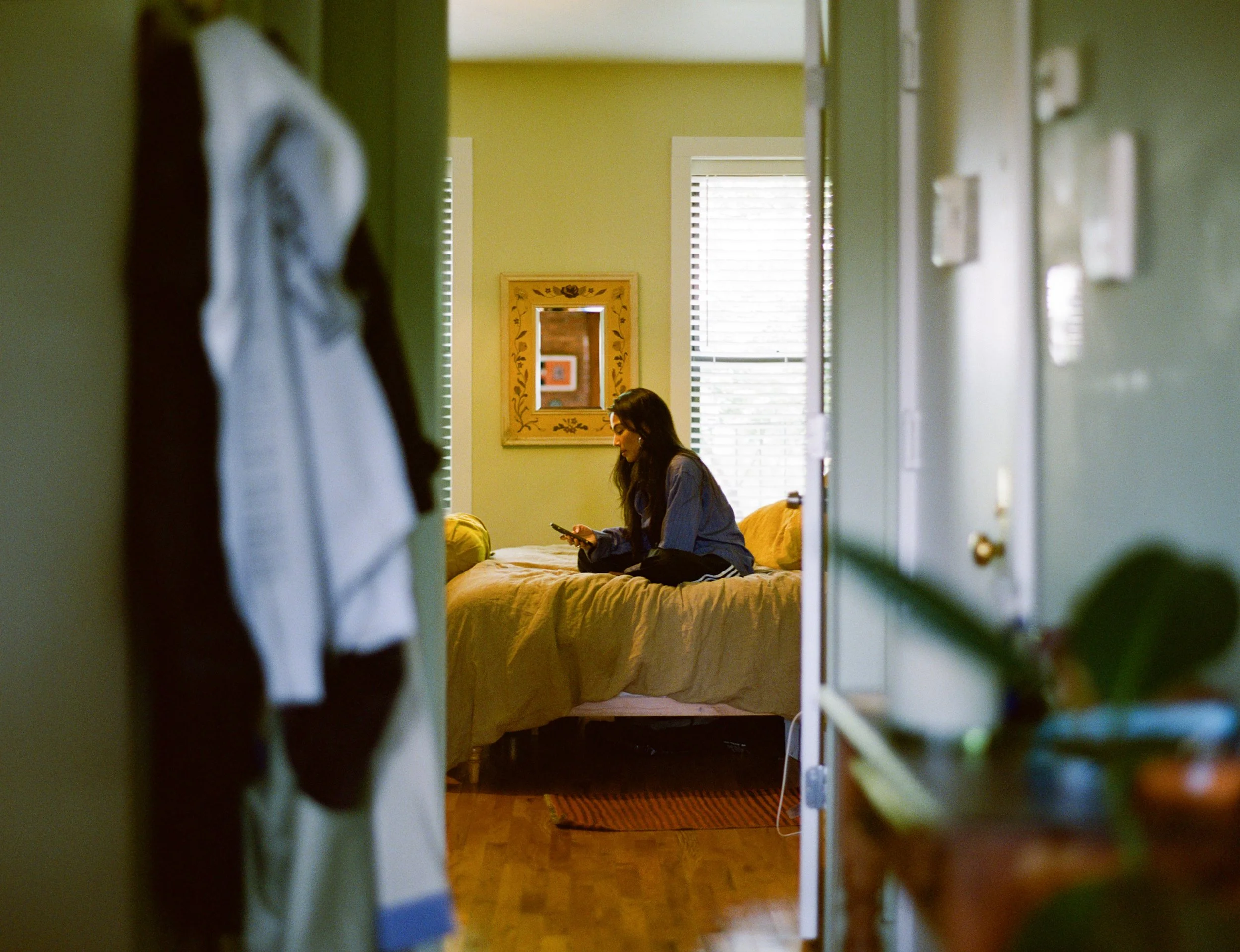
I wake up around 7:00 or 7:30, and I sadly have to admit that I scroll on my phone. I've been desperately trying to use my phone less and less, which obviously is difficult with my work. I went through a period last year where I was using the Brick, locking all my apps, and trying not to use my phone. I absolutely need to use it again soon.
But for now, I wake up, scroll a little bit, and make a pot of coffee. I like to start my morning pretty slowly and take my time. Unfortunately I'm not a breakfast person, not for lack of want, but breakfast has always made me feel sick, which is especially devastating given how much I love a good diner breakfast.
I start the morning with coffee and the news. I genuinely love cable news — I flip between CNN, MSNBC, and sometimes, for sport, Fox. Most people treat morning news like punishment, but it actually helps me think. It gives my brain a world to push against.
I also love a local morning show — New York One is its own theater.
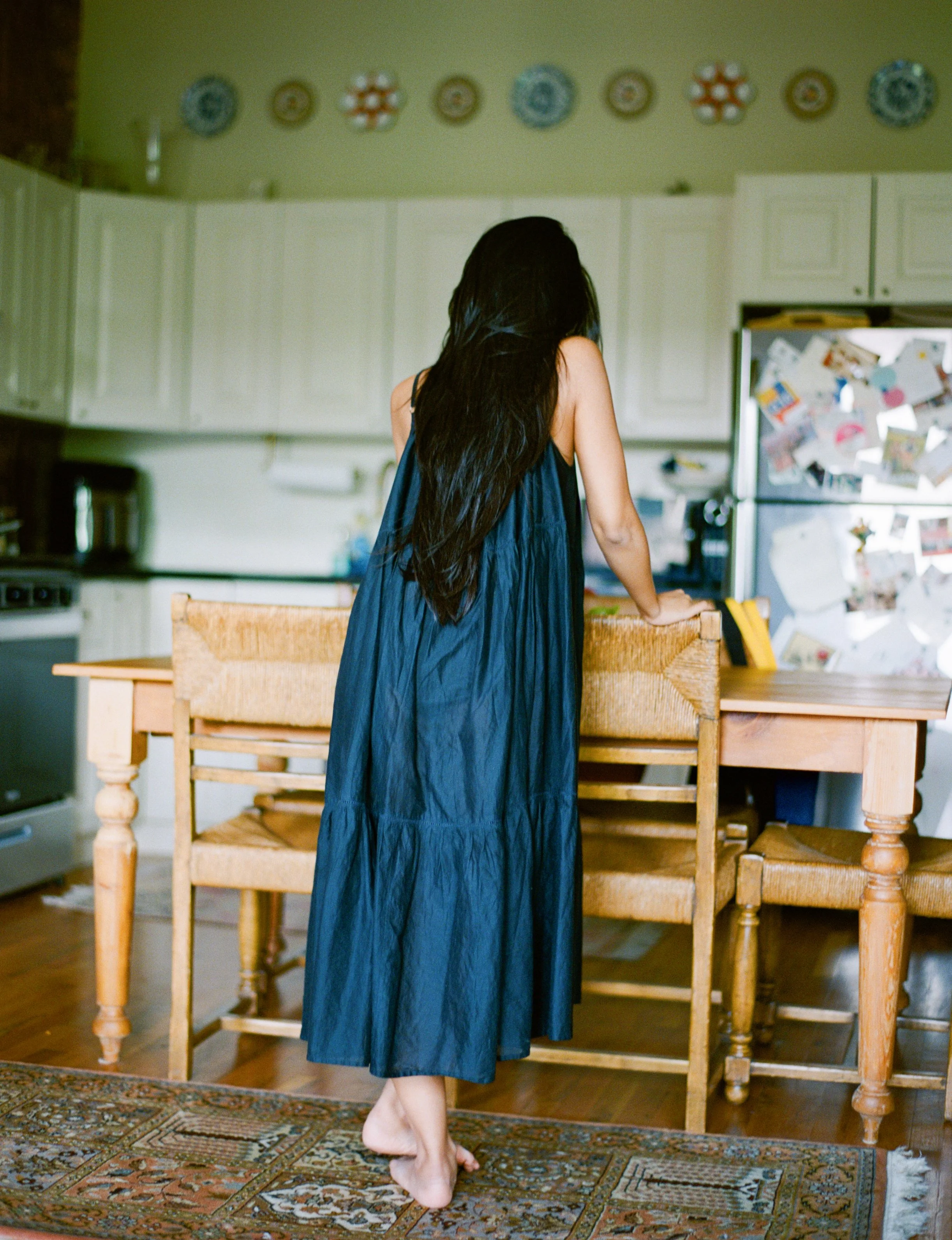
Then I open my laptop and send emails. I try to work from home in the mornings if I can. I know it’s a privilege — but I pay too much damn rent to be anywhere but this apartment — so I try to enjoy it while I can. A slow commute is my luxury.
on growing up in florida
I grew up in Port St. Lucie, Florida. My parents bought their first home there — a small three-bedroom with a yard and we lived a fairly simple life. My parents ran a convenience store and did what so many immigrant families do: they sent my sister and me to an out-of-budget private school because it had rigorous academics. It was the classic logic — education first, we’ll figure out the rest. Growing up in Port St. Lucie meant growing up in a very specific kind of suburban America. We had a mall, a single movie theater, and a bowling alley. That was the hot circuit. On really lucky days, you could get invited to Club Med to swim, which felt like visiting another country. There were gated communities tucked between strip malls and golf courses — it’s insane to think back on how impressed I was by the architecture of stucco model homes and screened-in pools. If there was a security booth and a man who barely looked up from his clipboard, I assumed you lived like a Vanderbilt.
I always say I got both the South and South Florida. If I drove west, I was in the country — big sky, cattle ranches, feed stores, and canals. If I drove east, I hit the beach: mangroves, mansions, AND motorhomes. If I drove south, I was in Palm Beach, where everything felt more…city. It taught me proximity: wildly different worlds existed ten minutes apart.
It was a typical suburban childhood, but the geography made it feel bigger. I knew kids who had never seen a farm, and kids who rarely visited the ocean, even though both were right there. You could live your whole life in one neighborhood and never realize how many other communities existed. That’s Florida.
My high school had a rich history. It had been a Black high school before integration in the ’70s, and was known as one of the most academically rigorous schools in the state. Zora Neale Hurston had taught there during the last years of her life. She was largely unknown outside the neighborhood where she lived and taught. Her work had gone out of print, she was buried in an unmarked grave, until Alice Walker brought her back into national recognition with her research. I was so lucky to grow up with that story in my everyday landscape. It gave me a deep appreciation of her literature from an early age.
I was an International Baccalaureate student, but my mornings began in orchestra. I played the violin, and rehearsal started at 7:00 a.m. with students across programs and social circles. I was one of few IB kids who hung out with students outside my track, and it was one of the best parts of my education. I miss playing the violin dearly. I still keep it at home, fully convinced that one day I’ll pick it back up — it’s waiting for my discipline to arrive, or for me to retire, whichever comes first.
on inheriting her righteous indignation
The first school my parents sent us to was a Christian school. One of the first serious conversations my mother ever had with me happened when I was seven or so, just before I started there. She sat me down and said, essentially: You’re going to this school. It’s Christian, but you have to remember who you are and who we are. You will be respectful, but you will not let anyone pressure you into saying or doing something that goes against us — you are Muslim.
Every morning at that school began the same way: they pledged allegiance to the American flag, then to the Christian flag, and then to the Bible. On my first day, I stood for the American flag, and when they turned to the Christian flag, I sat down. I wasn’t making a statement; I was in the second grade. I simply thought, that doesn’t apply to me. I was immediately sent to the principal’s office. They called my mother, who had already made it to work after dropping us off, and she had to drive back. I remember sitting there, scared, not quite understanding what I had done wrong.
My mother walked in and gave me that crazy look, you know the one. The principal told her they didn’t think this was the right fit, that it might cause more friction than they anticipated. My mother didn’t blink. She said You don't know how to handle a confused 7-year-old? My daughter is going back to class. And she told them, very calmly, If she isn’t back in class right now, I will have the news here by three o’clock.
That is my mother. It was formative to see this working-class 4'10 immigrant woman — whom people probably assumed they could push around — show up, stand her ground, and make it clear: I know what my money buys me, and I know what my rights are. That moment has always been a reference point for me. Whatever righteous indignation I’ve carried into adulthood comes directly from her: we don’t have to accept disrespect, and we don’t have to accept people treating us as less than we are.
on politics after 9/11
I don’t think I had a political understanding of the world or even of myself until after 9/11. Before that, I was just a kid. After 9/11, everything changed. My parents owned a convenience store and we were, as far as I knew, the only Brown Muslim family in our neighborhood. The business windows were broken, someone spray-painted our garage, and there were comments in school that I still remember. We actually included this detail in the Islamophobia speech Zohran gave outside of the mosque in the Bronx. A lot of these memories naturally came rushing back up during the course of the campaign. My parents never sat us down to talk about it. I think they saw it as the cost of being Brown in America. To be clear, I didn’t connect any of it to a larger story at the time. I only know how to make that connection now, looking back. Then, it just felt like life.
Years later, my father told me, with a horrifying casualness, that some of his regular customers were members of the Klan. I was horrified. I asked him why he let them come there. He shrugged and said, Tell them they can’t come in? And then what do you think happens? At the time, I didn’t understand. Survival required a kind of strategic politeness that nobody talked about.
My parents were immigrants. They had a mortgage to pay, tuition to figure out, car payments, and money to send home. When you’re focused on survival, confronting racism drops down the list. Not because it isn’t real, but because other things are more immediate. We didn’t talk about it, but they raised us with a very clear sense of right and wrong, and they trusted that we would know how we were supposed to be treated. They never saw us as girls who couldn’t defend ourselves.
I remember watching injustices play out on television. I remember the image of the hooded man from Abu Ghraib on the cover of The Economist and knowing instinctively, that is wrong. By high school, the country was deeply polarized around Iraq and Afghanistan. I got into my first real argument with a history teacher about Iraq. I didn’t have sources or citations — only instinct. I kept saying, These things don’t add up. What you’re telling me doesn’t make sense.
He became furious. I was confused by his anger; I wasn’t being disrespectful. I was just asking questions. I spent the rest of the day thinking about why my curiosity threatened him. That was the moment when I began to understand how power works: who gets to narrate the world, and who is expected to accept the narration without protest. That same righteous indignation — inherited from my mother — took over. It still does.
on insisting on naming injustice
My parents are Bangladeshi, and they lived through a genocide. A million people died in the years leading up to 1971. Even now, it’s difficult to get stories out of my parents. They were barely 12 and 13 then, but they witnessed things no human being should witness. That history shapes how I live. One of the things I’ve noticed, talking to Bangladeshis of my parents’ generation, is how many of them minimize what they lived through. They’ll say, almost casually, that it wasn’t a big deal — that they weren’t the ones lined up to be shot, so they were lucky. And of course, that’s true. They were lucky. Their material conditions were inherently safer than most. But it is still astonishing to me that turning on the tv or opening a newspaper to learn what was happening to your neighbors, to your country, could be framed as anything other than traumatic. The psychological experience of waiting to see who had disappeared, or whether someone you knew would be next, is its own kind of devastation.
There is a strange humility to it — an instinct to say, we were not the worst affected, so it doesn’t count. But suffering does not require direct contact to be real. Bearing witness is its own burden. That sort of emotional austerity is very Bangladeshi, I think: you survive, and then you get on with life. But I find it shocking that so many of them speak about it as if it were simply weather that passed. I think it has shaped them more than they’ll ever admit, and through them, it has shaped me.
I often think of Toni Morrison, who said, “I insist on being shocked. I am never going to become immune… I want to be surprised and shocked every time.” I feel that deeply. I insist on naming injustice. I refuse to treat genocide as a normal feature of life. When something is wrong, we say so. That instinct comes directly from my parents — not because they talked about the genocide, but because of how they carried themselves after it. They rarely told stories, but the way they moved through the world made it clear that you don’t ignore injustice just because you survived it.
on volunteering for political campaigns
The first time I volunteered on a campaign was 2004, when John Kerry ran for president. I was fourteen. I knocked on doors and worked an event. Of course he lost, and then, in 2008, everything changed. I turned eighteen in September and I threw myself into volunteering for the Obama campaign. I knocked on doors, entered data, made phone calls. I think I enjoyed it for reasons I didn’t fully understand at the time. It gave me structure. It gave me purpose. I felt like I was doing something important.
My parents were incredibly supportive. They were happy to see me interested in something that required reading and thinking. They would much rather drop me at a campaign office to knock on doors than drop me at the mall to wander around for three hours. The only job they allowed me to have in high school was Kumon, in fact — and I would like to take this opportunity to apologize to all my students. They deserved better.
on starting her career in politics
Between 2008 and 2012, I was completely adrift. I was in college, getting terrible grades, I wasn’t paying attention, and I almost certainly had undiagnosed ADD. I was overwhelmingly uninspired and had no idea what I wanted to do.
In 2010, I interned in Bangladesh for Muhammed Yunus. I worked at the Yunus Centre during a moment when social enterprise was being explored as a tool for poverty alleviation. I was 19 and I wasn’t close to the politics of it but of course now I understand that social enterprise has real limits and real critiques, especially when it comes to structural poverty. But what I saw was still fascinating to me at the time. Companies were creating products that solved basic problems: a shoe that cost less than a dollar to prevent disease; water systems that could be installed in villages. It was the first time I realized that a job connected to helping people and changing their material conditions animated me.
Then an email came through my college listserv: a national re-election campaign was hiring. The message was vague, but I put two and two together. I applied, got a call, and the Florida headquarters happened to be near where I was going to school. I drove over and sat down with the digital director. He said, Can you write tweets? I said, What’s a tweet? And then I said, Sure.
I started in late 2011, right as the reelection campaign was ramping up. I drove across the state. I photographed events. I talked to voters, gathered their stories, and posted them online. From there, I ended up around some of the smartest strategists I’ve ever met. I learned how decisions were made, how messages moved, and how people worked together under pressure. It changed the course of my life.
When I started, Instagram was brand new. Twitter was barely two years old. Digital was not an afterthought — it was the frontier. I learned communications through that lens first, which meant I was always thinking about cultural context, everyday language, and what people were actually interested in. Later, when I stepped into more traditional roles, that fluency was invaluable. I didn’t have to retrofit digital; it was my native language.
on ego death
I spent my twenties in wildly powerful rooms. I did Obama’s re-election, I worked in the White House, I worked for Hillary, and then I worked at Vogue. I was successful early, and if I’m honest, it was because I valued proximity to power. I kept moving — quickly, impressively — from one well-known institution to the next. I never stopped to ask myself what I was doing or why. I just did the next big thing. I said yes to whatever was the most glamorous, the most consequential, the most legible form of success. I don’t regret it; those experiences brought me to where I am. But I never interrogated myself. I never paused long enough to ask what mattered to me beyond the rooms themselves.
Then the pandemic, Trump, and the genocide forced a reckoning. All the shine fell away. It was a kind of ego death. I had to sit with myself and ask questions I had never before allowed: Proximity to power for what? Whose water am I carrying? Am I proud of that water? It wasn’t existential in an abstract way — it was very concrete. What did I believe in? What did I want my work to serve? What did I want my life to reflect?
There is something destabilizing about realizing you can have every glamorous line on a résumé and still feel uncertain about who you are. Success is not clarity. Access is not purpose. The culture rewards motion — more, faster, louder — and I was very good at motion. It took me years to understand that I had been moving from thing to thing without ever truly looking inward. That realization was uncomfortable, humbling, and ultimately necessary.
on finding what new yorkers were waiting for
I made a bet on Zohran early, and I’m certainly thrilled it turned out to be the right one — but I genuinely believed in him. I had known him in the way all Brown people know each other: through community, reputation, and orbit. I was familiar with his Assembly run and his organizing with taxi drivers. We became real friends when our community began mobilizing around Gaza. In a moment of mass grief and fear, he showed up with clarity and conscience. That stood in stark contrast to so many other electeds who were silent or evasive.
I had sensed he was thinking about something bigger. In July of last year, I texted him: Let me know when you’re ready. We met the next week. He told me he was going to run for mayor. He laid out his vision, and I remember thinking, This is what New Yorkers have been waiting for. He was charismatic and principled. He could move fluidly through every room. And he had already organized the literal backbone of New York — taxi drivers.
More than anything, he reflected what so many of us were feeling: disillusioned with Democratic leadership, exhausted by Gaza, angry at the conditions New Yorkers were living in, and hungry for a politics that felt like care. And he had an affirmative vision. He made a bet on affordability at a time when Democrats weren’t even polling it. People weren’t naming it as an issue anymore — not because they weren’t suffering, but because they had given up believing anyone would do anything about it. That was a lightbulb moment for me. I left that meeting thinking, Sign me up.
on coming back to politics
When he officially launched the campaign in the fall of 2024, I had been out of politics for nearly a decade. I was watching a genocide unfold in Gaza. I was watching Democratic leadership both avert their eyes and fund it. It was impossible not to feel implicated. I had spent my career helping to build some of those same institutions, believing that progress and power would go hand in hand. Instead, I was watching them fail the exact moral test that mattered most. This campaign felt like a chance to do something different — not in a symbolic way, but in a real, material way. And because he was a friend, because his politics were clear when clarity was rare, because of the stakes — I certainly would not do this for just anyone.
I joined as a Senior Advisor. I prefer not to describe my work too narrowly; if pressed, I say strategic communications — but that means long-term narrative, rapid response, debate prep, cultural strategy, podcasts, tv, earned media, the list goes on. The most beautiful part of working on this race was getting to build infrastructure from scratch — being up close for decisions and making them together. I got to work with magnificent people who shaped this campaign in ways history will never fully capture. Being part of that was such a gift.
on centering working-class voices
The bleeding heart of this campaign was working-class immigrants — Brown and Black, multilingual, and often invisible to political power. Centering them changed everything. It shaped how Zohran spent his time. Bangla news was just as important as MSNBC. It held the same weight. That wasn’t outreach; it was priority. Unless that directive comes from the top, it doesn’t happen. Having a candidate whose identity and politics were rooted in those communities allowed us to make decisions that campaigns rarely make — not because we were clever, but because we simply showed up where people actually were.
On the subject of celebrity, I think I have fairly strong literacy around public figures — where they are welcomed, where they are not, and how people actually respond to them. We approached cultural engagement strategically. For example, when Zohran appeared at a Ramy Youssef show with Mahmoud Khalil, it wasn’t theatre. The subtext was clear: Ramy was standing with two people he believed his community should support. Nothing needed to be explained. I really need the consulting class to understand, voters are far more perceptive than you give them credit for. Our choices reflected that. We sat in the nosebleeds at the Knicks game and invited Mero to join us. Seeing Zohran courtside would have been off-brand — that was the point. We went to the US Open during free week and invited supporters. He watched the Arsenal game at a local business with Spike Lee. We surprised people at a PinkPantheress and Lucy Dacus show. We saw Wu-Tang from the crowd, not the VIP box. We were there as fans, guests, visitors — not as candidates looking for a camera. Meanwhile, national Democrats have spent a decade treating the cast of The West Wing as their hottest surrogates. It signals a profound lack of pulse. Demonstrating taste was not aesthetic vanity for me, it was respect. We engaged artists by honoring their work, the way everyone else does: in their arenas, at their shows, enjoying them on their own terms. We weren’t using them as vehicles to persuade voters. We were showing that Zohran is a real person with real interests. You cannot counterfeit that. You cannot reverse-engineer it. And many will try — and the result will be TikToks where candidates look like they’ve recently landed on Earth and are trying very hard to mimic human speech. People do not want better messaging and performance. They want leaders who understand the stakes of their lives. That requires talking to people — not at them, not around them, and never with condescension. If you begin with respect, the politics follow.
“The moral clarity and conviction that I have gained throughout this genocide has been one of the greatest gifts. There is a lack of doubt and a belief and a clarity that I have now. I realized that everything I’d learned — strategic comms, my crisis instincts, my cultural literacy, my narrative work — was preparing me for something with more purpose. I started to shift my work to think about writers, artists, and culture workers. Then, ultimately, I ended up working on the Mamdani campaign. My work finally feels aligned with who I have become.”
on building zohran’s media profile
I am incredibly proud of the media profile we were able to build around Zohran — especially when you consider how easily the day-to-day headlines could have flattened him into a caricature. I worked on about six or seven of the covers and long leads, and every one required choreography. We were dancing on a delicate line…maintaining trust and access, while also ensuring that when reporters called to push for something, it never felt like an unfair fight. We wanted them to feel they were reporting on a story worth telling, not battling against us to get it.
There is a level of emotional intelligence required when you are protecting the profile of a brown man who, almost overnight, became the most visible Muslim in the world. He didn’t need to be mythologized, but he did need to be shown with dignity. I never wanted to present Z as unreachable or above being seen. But I did want to make it unmistakable that he had been anointed — not by power brokers or donors, but by the people. That kind of reverence carries its own weight.
People often said that Zohran was very precise with the press. That’s absolutely true. I have never met a man who speaks with more precision. It comes from a profound sense of responsibility: words have consequences, and he takes that seriously. He doesn’t have the luxury of being loose or casual. He cannot speak like Fetterman or even Bernie; he operates under a different set of expectations. He’s a brown man at the end of the day. The margin for error is razor-thin. Excellence was never optional. Every interview, every debate, every quote, every silence carried freight. He had to be sharper, steadier, more prepared — because institutions, billionaires, and much of the media were watching him with a level of scrutiny that bordered on anticipation. Institutions, billionaires, and large parts of the media were waiting for him to slip. It’s why they asked him the same controversial questions over and over again, hoping they could be the ones to catch him. I would always tell them, go ahead, try your best. 99% failed.
I should also clarify there is a real distinction between how he interacted with the traditional press corps and how he showed up with creators, podcasts, or cultural spaces. With the latter, he could loosen up. He was funny, warm, and entirely himself. Those environments offer context. They are built on curiosity rather than gotchas, on conversation rather than capture. In those rooms, he could feel like a friend. And that was real. People didn’t feel like they were meeting a candidate, they felt like they were meeting someone they already knew.
With creators, he could relax. With the press, he had to be precise. The trick was that he made both feel like intimacy. That is his gift.
We thought long and hard about every detail, including who photographed him. We were offered Annie Leibovitz — more than once. She is storied, legendary, of lore. But ask yourself: does Annie Leibovitz scream affordability? Does she signal a city in crisis, a politics made of working people and rent and subway stairs? I always told photo editors find us someone who can walk faster than Zohran and you’ll have a great photo. It mattered who was behind the camera as much as who was in front of it. We wanted photographers whose gaze felt rooted in the same New York we were trying to represent. That wasn’t aesthetic preference at all, it was politics.
We never wanted to lose the essence of who he is: accessible, principled, chosen by the people. And we wanted the coverage to reflect that reverence — not for celebrity, but for the communities that made him possible.
We were also blessed with extraordinary talent. You would be blown away by the people in our comms and digital shops. They were not the usual political operatives — they were brilliant, deeply principled, with instincts and taste you cannot teach — and people who fucking loved New York. There was no cynicism, no bureaucracy, no jostling for credit. We got to watch Zohran up close, and that kind of proximity makes you closer to one another too. They made the work better. I’m glad it showed.
on her advice for aspiring politicos
Have a real connection to the people you hope to serve. That is how we break the tradition of strategists and pundits who make guesses about what voters want — by rooting our politics in community. Know your neighbors. Pay attention to the challenges of the small businesses you pass every day. Say hello to the person who delivers your mail. So much becomes clear when you look closely at what is right in front of you. In New York, it’s astonishing how many people have never met the people who live two doors down. Politics without proximity becomes abstraction. Proximity gives you texture, humility, urgency. I wish I had understood that earlier in my career. Today, it is the center of my politics, and I feel grateful to have landed there. The work feels richer when we can see the faces it touches.
on making time for care and community
I no longer push myself to the edge of exhaustion. If I need to sleep, I sleep. If I need to eat, I eat. I love to cook, and I will turn my phone onto DND and spend hours using my hands — chopping, stirring, tasting — until I feel like I’ve made something.
I see my sister when I can, even if it means working from her sofa for a few hours then leaving. I see my friends and their children whenever possible. Children have a way of reminding you that almost nothing matters except the game you are playing with them in that moment. They insist you be present. They really just don't know anything! It's amazing.
I have not had much of a social life in recent months, but I have extraordinary friends. They showed up at my apartment and sat quietly with me when I was exhausted. They texted without expecting a reply and did not punish me for silence. They extended immense grace. I am lucky to be loved by people who see me clearly and understand that my work matters to me, even when it takes a great deal. My partner is also remarkable — gentle, caring, steady in a way that makes everything else feel less chaotic. He is patient when I don't deserve it! I don’t take that for granted. It is a very specific joy to do hard work and come home to someone who meets you with softness and encouragement.
on missing her mother
My mother splits her time between the U.S. and Bangladesh. My sister and I have built our lives in New York, so she comes to be with us for part of the year. But she spends at least half her time in Bangladesh, with her siblings, cousins, and childhood friends. She left that place for us, and it means everything to me that she can return to it now — still young, still mobile, still able to enjoy it.
I miss her when she is away. But I know she is cared for there, and that brings me deep solace. There is something extraordinarily comforting about the fact that she is surrounded by people who have known her since she was a girl. She's been spending a lot of time with her girlfriends and oftentimes having the time of her life. It is very sweet to watch.
“If you want to understand what the future of the Democratic party can look like, look at what happened here in New York. And look at how young voters, Muslim voters, Black and Brown working-class voters, and immigrants showed up when somebody finally showed up for them.”
on fashion
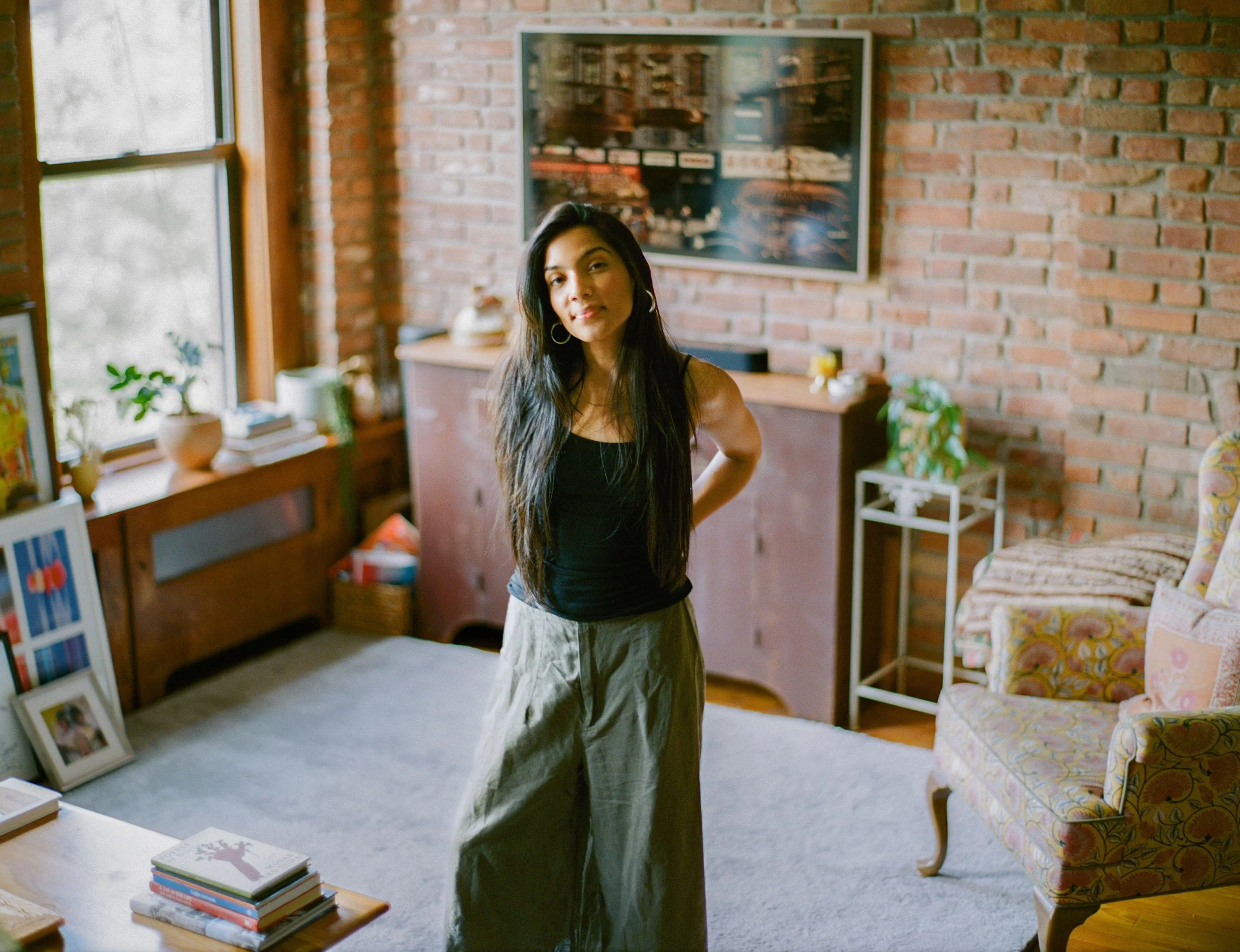
In my thirties, I’ve made a real effort to simplify my closet. I want fewer decisions and fewer pieces — but better ones. I really love clothes. I love well-made things, beautiful fabrics, and a great jacket that can elevate an entire outfit. Working at Vogue ruined me in the best way: I gained such an immense regard for fashion, but I also learned that owning fewer pieces you’ll have forever is better than piling up a million trendy things you’ll eventually resent. My closet is smaller now, but everything in it earns its place.
on her makeup and skincare routine
I mostly wear concealer now. I switch between Hourglass and Haus Labs — it has a de-puffing serum, which fucking rules. I’ve phased out foundation unless I absolutely need it. I am evangelical about a great eyelash curler, and I will die on the hill of a strong neutral lip liner. I use MAC Cork and Make Up Forever Limitless Brown. They’re classics. They work on lips, eyes, contour if you must in desperation.
In reality, I care more about skincare than makeup. My mother never wears makeup, ever. She has the skin of a toddler. When I was young, she told me: you can cheap out on many things, but never the things you put on your face. She said it once, casually, and it permanently rewired my brain. I would rather spend money on skincare than almost anything else. If your skin looks good, everything looks great.
I am also blessed with melanated, genetically cooperative skin. I say that out loud because I abhor when people give recommendations without disclosing their baseline. Genetics are real. Expensive serums can do many things, but they cannot fight DNA. Not everything is meant to work for everyone.
I try to get a facial once a season — definitely in winter and at the end of summer. I wash my face in the shower and use a gentle exfoliating sponge called Buf-Puf two or three times a week so I don’t turn into parchment. My vitamin C is from SkinCeuticals. It is offensively expensive. I’m sorry. I know. I stand at Rescue Spa staring at the bottle, doing fake math in my head, as if I’m going to make any other decision. I still think Weleda Skin Food is too expensive, and it’s the cheapest thing on my shelf.
Please DO NOT look up how much these items cost. I want you to respect me.
I switch between Valmont moisturizer and a Biologique Recherche cream, and in winter I use Skin Food all over my face. I want to feel drenched before bed. SPF obsessively. If I’m wearing nothing else, I’m wearing SPF — even in January. Elta MD tinted sunscreen is the only one that doesn’t leave a white cast.
on hair
I have to wash my hair every day, which is deeply annoying, but if I don’t, it becomes oily. I’ve tried to “train my scalp” like the internet suggests. It did not work. I use Redken Acidic Bonding shampoo when I’m leaving my house, and Head & Shoulders when I’m not. I learned to dry my hair with a T-shirt so I’m not rubbing it into frizz. It really makes a huge difference.
I grew up oiling my hair, like every other South Asian child. Amla oil, coconut oil — sometimes neem if we were feeling serious. Every summer, my hair was braided and glossy, and I’ve realized I should recreate that ritual as an adult. I'll go to a Desi store in Jackson Heights and buy whatever bottle looks plausible and says “strength” on it. It’s not as nice as someone else doing it, but I try!
When I’m in Bangladesh, I go to a salon and have my hair oiled for me, which is heaven. And if my mom is in town, I will absolutely sit on the floor between her knees and have her oil my hair. There is nothing more comforting. It will never get old.
zara’s favorite spots in new york
Jackson Heights, always. There are so many New Yorkers who have never explored the full depths of what this city offers, and that feels like a tragedy. Go to 74th and Roosevelt. Eat Bangladeshi food. I love going there and hearing people speaking Bangla. I feel immediately psychologically safer when I hear it.
Get fuchka. You will see at least six carts directly next to each other, each claiming they are the original fuchka, the first, the best, and absolutely unwilling to acknowledge the existence of the others. It’s unbelievable, and it’s perfect. My favorite is Ittadi. Go to Phayul for Tibetan food, it's just so important. If you land at LaGuardia, take the Q70 — it’s FREE! — and it drops you right into all of it. One stop. Eat first, then continue on to wherever you were going. You’ll be happier.
If you can't make it to Jackson Heights, there's an incredible Bangladeshi restaurant here in Bed-Stuy called Nawabi Bhoj. They're amazing. I also love Michael’s of Brooklyn. It is an Italian American gift to this city. There is a piano. There is a remarkably dressed staff. There is a baked and burnt spicy rigatoni that my friends call 'slutty'. There is a chicken parmesan that makes me feel like I have a nonna. I recently made 25 friends trek out there for a celebratory dinner. They complained the entire way about the distance — and then spent the whole night talking about how spectacular it was. I love being right. Please go so I can be right again.
